Image


Growing up in east Nepal, Laruwati Kamat's family taught her how each vegetable grows according to a unique seasonal pattern. However, her approach to farming changed in early 2024 when she discovered how to grow her crops year-round.
By enrolling in the JP RWEE programme, Laruwati collected new seeds and learned how to grow them in greenhouses, significantly enhancing her agricultural practices beyond traditional seasonal constraints. Now, her farm is abundant with fresh cauliflowers and leafy greens throughout the year.
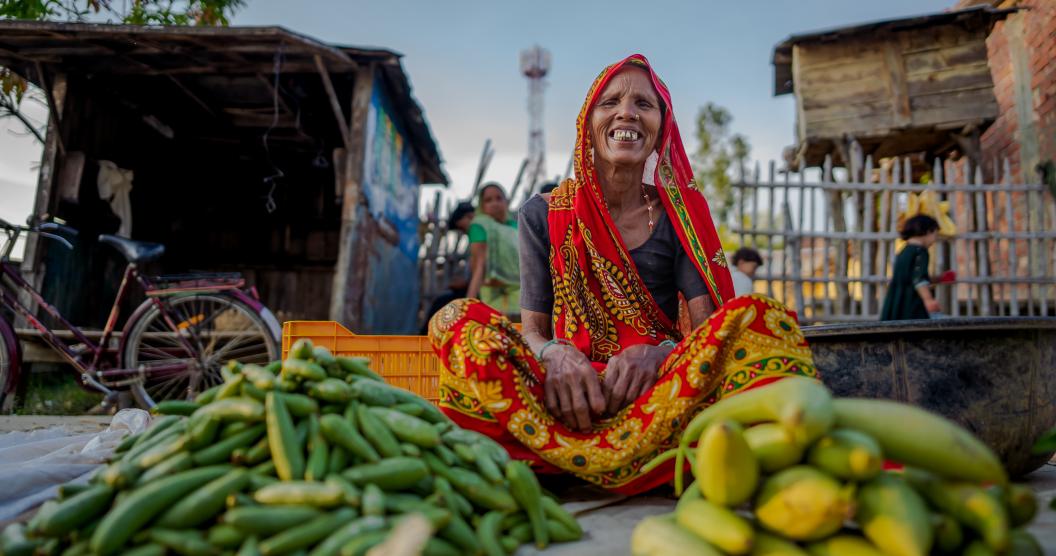
"In the past, we didn't have access to such seeds, which limited both our family's food supply and income. Our yield has increased since the intervention," she said. "Now we have more produce to eat and sell."
The transition from traditional farming to a more innovative, sustainable approach has increased Laruwati's income and transformed her into a contributor to her community's food security and nutrition. Thanks to the JP RWEE programme, her knowledge of sustainable agriculture has grown further, empowering her entrepreneurial journey.
The JP RWEE seeks to promote sustainable agriculture practices among rural women, support healthy food production, and increase incomes.
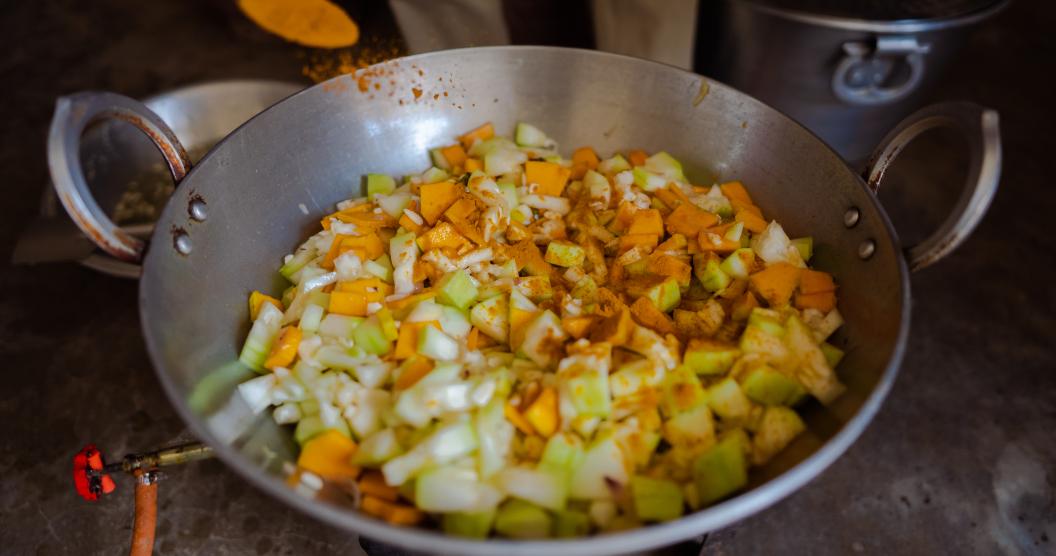
In Nepal, the large-scale migration of men from villages has increased women's workloads at home and on farms, limiting their ability to secure household food security. With around 80 percent of women engaged in agriculture, the JP RWEE focuses on equipping rural women with the skills and technology needed to maximise the efficiency of their agricultural practices.
The programme was designed to assist women farmers in increasing production and productivity and reduce their workload and time poverty. Underlying the initiative is a desire to see more women unlock their economic and social potential and improve their overall well-being.
In March 2024, the JP RWEE facilitated a contract between 1,091 women farmers - including Laruwati - with community schools in Siraha and Saptari districts. The Home-Grown School Feeding initiative empowers women like Laruwati as they run their economic endeavours while providing pupils with nutritious meals. By connecting local women farmers with schools, the initiative ensures a consistent market for their produce, providing financial stability and enhancing economic independence.
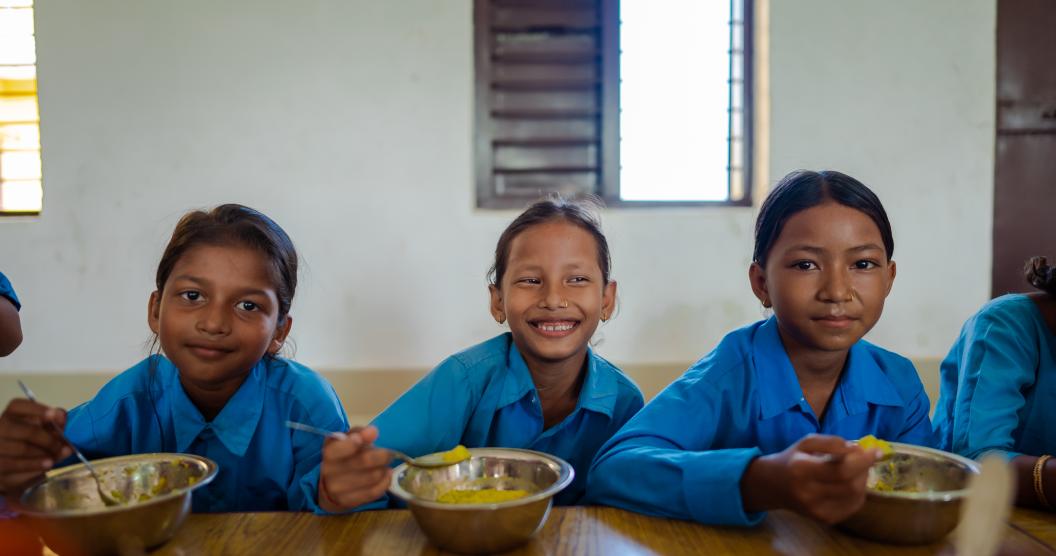
"Our vegetables go directly to the children," Laruwati explained. "We know they are eating fresh food free from harmful chemicals." The children receive nutritious meals through this programme, greatly benefiting their health and well-being.
Laruwati is now reaping many benefits. While her ability to provide healthy, home-grown food to her community's children is fulfilling, her increased profits allow her to support her grandchildren's education. She has become a key decision-maker in her extended household.
"Years ago, I struggled to even imagine providing this level of education for my children," she reflects. "Now, I am financially able to contribute to my grandchildren's education."
Numerous women like Laruwati are undertaking the journey from subsistence farming to local agricultural entrepreneurs, contributing to the local economy and finding a new sense of voice and agency at home.