Image


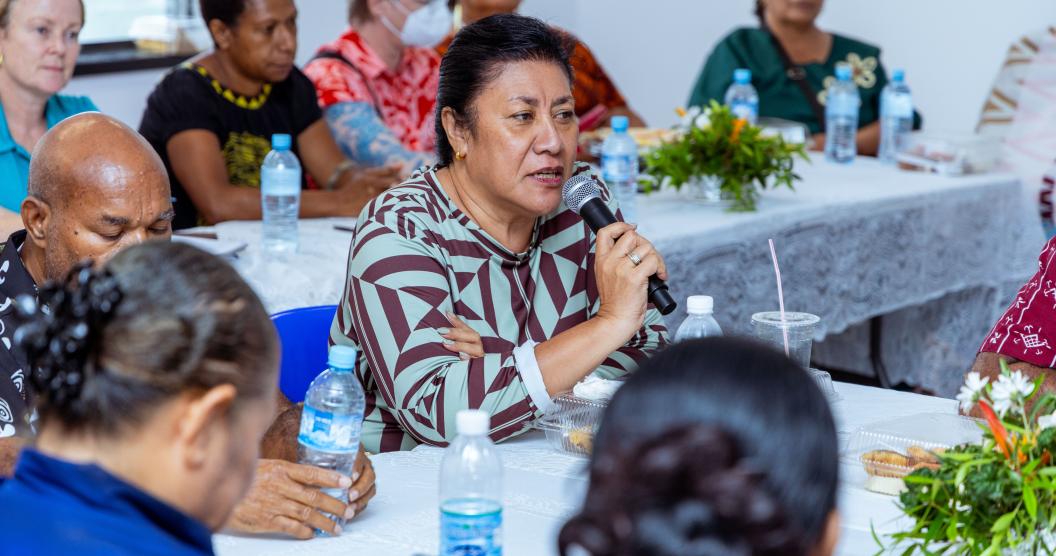
From 26 to 30 May 2025, the capital city of Nuku‘alofa hosted the 4th Pacific Week of Agriculture and Forestry (PWAF), under the theme “More Regeneration, More Productivity, More Resilience.”
The event “Accelerating Rural Women’s Economic Empowerment, Growing Resilience and Enterprise through Agriculture”, co-organized by FAO, IFAD, WFP, and UN Women, showcased both tangible progress and persistent challenges across JP RWEE implementation in Tonga, Fiji, Kiribati, and the Solomon Islands. The session highlighted achievements and innovative approaches to strengthen rural women’s income and leadership through climate-smart agriculture, capacity-building, and inclusive governance.
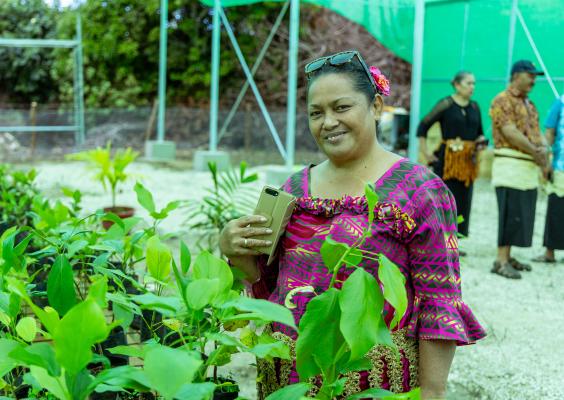
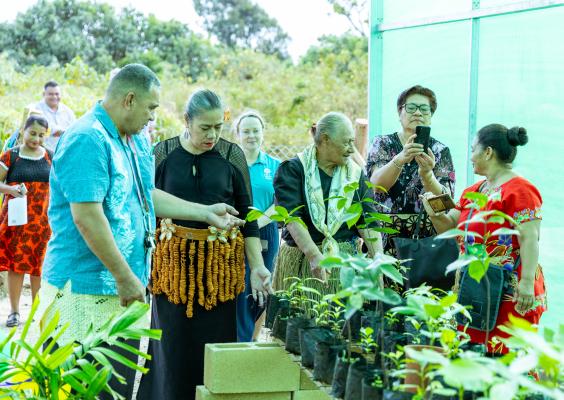
Notably, the JP RWEE Tonga team, in collaboration with local communities and key partners, launched the new “Popua” and “Patangata” Community Nurseries, further contributing to household resilience and community-led agriculture.
With support from Mr. Candra Samekto, IFAD Country Director & Representative for the Pacific Island Countries, and Ms. Sarah Tawaka, JP RWEE National Coordinator for Tonga, the event emphasized the strategic importance of partnerships in advancing sustainable rural development.
“The partnerships we build together will be critical in addressing the unique challenges faced by Pacific Island countries, and this event is a step forward in creating platforms that encourage knowledge sharing and provide avenues for further collaboration,” said Mr. Samekto. He also noted that JP RWEE builds on the strengths of Pacific cultures, engaging with traditional leaders, women’s groups, and governments to promote sustainable, community-owned solutions.
The event provided a valuable platform to boost JP RWEE visibility among ministers, government institutions, development partners, academia, and farmer organizations, reinforcing its influence in regional policy dialogues.
Crucially, discussions also enhanced the regional focus on gender-responsive agriculture, with an emphasis on traditional knowledge, climate resilience, and the empowerment of rural women. Wrapping up the session, Ms. Tawaka highlighted the value of preserving and promoting traditional practices: “Documenting and packaging traditional knowledge and practices is key to promoting their adoptability and adaptability, thereby enhancing community resilience.”